
Guide to Returning to Running Postpartum
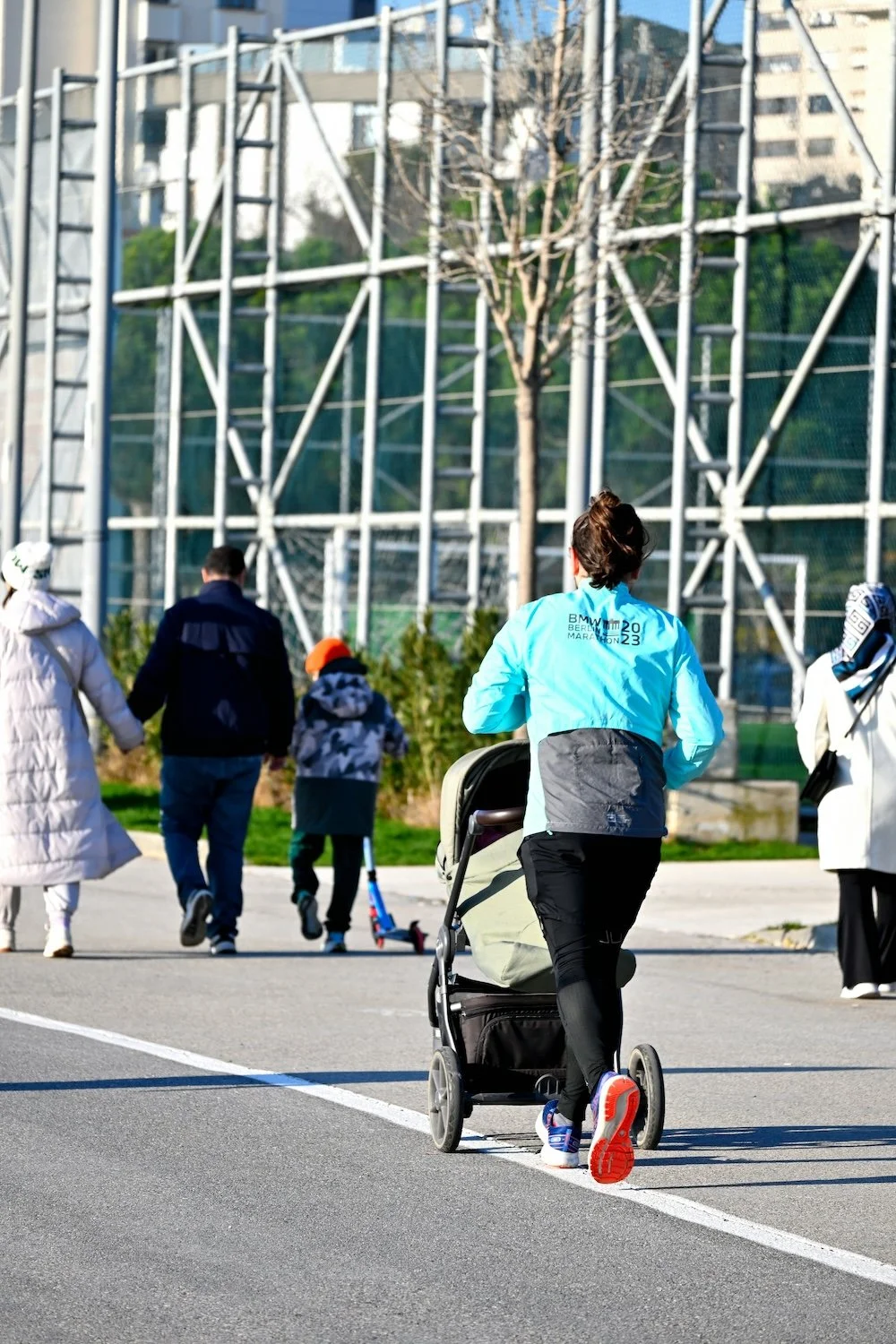
For many runners, getting back out the door after having a baby is about more than fitness. It can be a chance to enjoy time outside, reconnect with a favorite activity, or simply have a few moments to yourself.
But if your first postpartum run feels different than you expected—or you’re unsure when to start—you’re not alone. Pregnancy, delivery, recovery, sleep changes, and the demands of caring for a newborn can all influence how your body feels.
The good news? You don’t have to figure it out on your own. With a gradual plan and the right support, you can build toward a return to running that works for your body and your goals.
When can you start running after having a baby?
There’s no single date that means every runner is ready to return. Your recovery will depend on your pregnancy and delivery, how you’re feeling, your activity level, and whether you’re experiencing symptoms.
Many postpartum running guidelines suggest waiting until at least 12 weeks after delivery before returning to high-impact activity. Think of that as a common starting point for a conversation, not an automatic green light. Some runners may need more time, and being cleared for general exercise at a postpartum appointment doesn’t necessarily mean you’re ready for the demands of running. foundationspelvichealth.com
Before returning to impact, talk with your obstetric provider or midwife about your recovery. A physical therapist with experience in postpartum or pelvic health can also help assess your strength, symptoms, and readiness for running.
In the meantime, you may be able to begin gentle movement, walking, and strength exercises as advised by your healthcare team. These early steps can help you build a foundation for the miles ahead.
Start by rebuilding your foundation
Running is a high-impact, single-leg activity. Every stride requires your muscles and joints to absorb force, stabilize your body, and propel you forward. After time away from running—and the changes of pregnancy and birth—it’s helpful to rebuild that capacity gradually.
Depending on where you are in your recovery, your plan may include:
Walking: Begin with a manageable distance and gradually work toward a comfortable, symptom-free 30-minute walk.
Strength training: Exercises such as squats, bridges, calf raises, and step-ups can help rebuild strength in your hips and legs.
Core and pelvic floor work: These muscles work together to support your body and manage pressure during movement. A pelvic health physical therapist can help you learn how to coordinate both contraction and relaxation.
Single-leg exercises: Running involves repeatedly moving from one leg to the other. Balance exercises and single-leg strength work can help prepare you for that demand.
Start with movements that feel manageable and progress at your own pace. You don’t have to complete a perfect checklist on your own: a physical therapist can help you choose the right exercises and adjust them to your recovery.
Signs you may be ready to begin a return-to-run plan
Before introducing running, it helps to consider how you feel during both everyday activities and exercise. One useful starting point is whether you can walk for 30 minutes without pelvic health symptoms or other pain. From there, a clinician may assess your ability to balance, perform single-leg movements, and tolerate impact. British Journal of Sports Medicine
Your provider may also ask:
Are you experiencing urine or bowel leakage?
Do you feel heaviness, pressure, or a bulging sensation in your pelvis or vagina?
Do you have pain in your pelvis, abdomen, back, hips, or elsewhere during activity?
How are sleep, fatigue, and recovery affecting your ability to exercise?
Are you able to eat and drink enough to support your activity and, if applicable, lactation?
These questions aren’t meant to make you worry about every sensation. They help you and your care team understand what your body needs before adding the repeated impact of running.
Ease back in with a walk-run approach
When you and your healthcare team decide you’re ready, start with short, easy intervals rather than trying to pick up where you left off. Alternating walking and running gives your body a chance to adjust to impact while keeping the overall workload manageable.
For example, an initial session might look like this:
Warm up with a comfortable walk.
Alternate one minute of easy running with two minutes of walking, repeating a few times.
Finish with a short walk.
Pay attention to how you feel during the session, afterward, and the next day.
This is an example, not a schedule everyone needs to follow. Your starting point may be different, and it’s fine to repeat the same level until it feels comfortable. As you tolerate the intervals, you can gradually increase running time and reduce walking time. Keep the effort easy and allow recovery days between runs.
Postpartum return-to-running recommendations emphasize individualized plans, gradual progression, walk-run intervals, and strength training. PubMed
Pay attention to symptoms
Some muscle soreness can be expected when you return to an activity, but you shouldn’t feel that you have to push through symptoms to make progress.
Pause or scale back your activity and talk with your healthcare provider or a pelvic health physical therapist if you notice:
Urine or bowel leakage
Pelvic heaviness, pressure, or a bulging sensation
New or worsening pelvic, abdominal, back, hip, or joint pain
Increased or renewed vaginal bleeding
Symptoms that appear during a run or linger afterward
These symptoms are worth discussing even if they seem common. Your care team can help identify what’s contributing and adjust your plan. New or heavy bleeding, severe pain, dizziness, shortness of breath, or other concerning symptoms warrant prompt medical attention.
Give recovery the same attention as training
A return to running isn’t just about the minutes you spend exercising. It’s also about what your body has available for recovery.
Sleep may be unpredictable, and your energy needs may be higher—especially if you’re breastfeeding or chestfeeding. Aim to eat regularly, stay hydrated, and adjust your training when you’re particularly tired. If you’re unsure whether you’re eating enough to support running and lactation, a registered dietitian can help.
It’s also okay if your return isn’t linear. Some weeks may allow for more movement; others may call for rest or a shorter walk. Your pace, mileage, and fitness don’t have to look the way they did before pregnancy for your running to be worthwhile.
How a running gait analysis can help
As you build back, you may notice that running feels different—or that a familiar ache has returned. A running gait analysis can help you understand how you’re moving and identify areas where strength, mobility, or training changes may support your goals.
At Oregon Running Clinic, we work with runners to look at the whole picture: how you move, how you train, and what you want to get back to doing. If pelvic health concerns are part of your recovery, a pelvic health physical therapist can provide an additional assessment and work alongside your running care team.
Ready to take the next step? Whether your goal is a comfortable first mile, a return to racing, or simply feeling more confident on the run, contact Oregon Running Clinic to learn more about a running gait analysis and personalized support.