
Posterior Tibial Tendinopathy in Runners: What You Need to Know
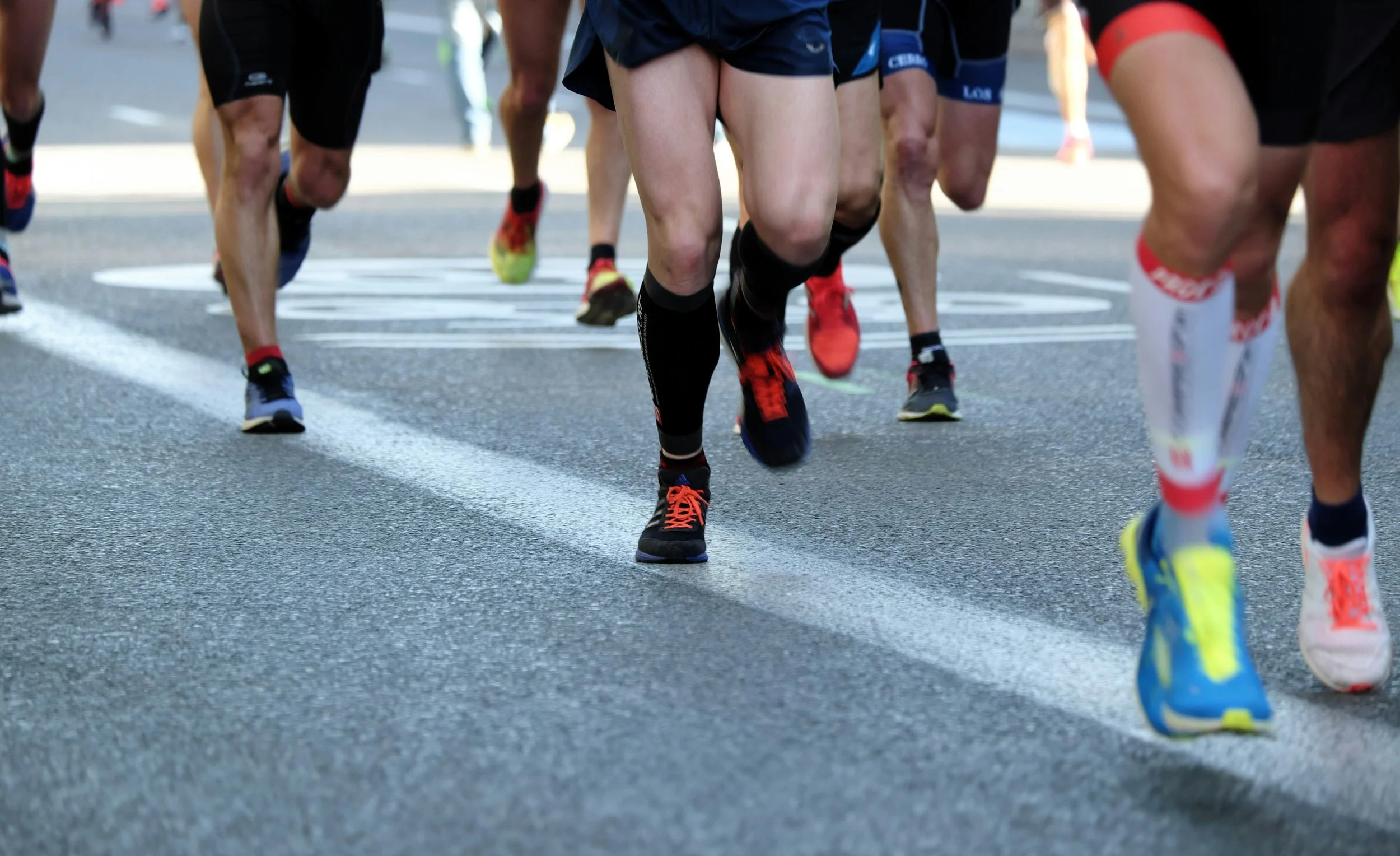
Posterior tibial tendinopathy (PTT), sometimes called posterior tibial tendon dysfunction, is a common running injury that affects runners and active adults. The posterior tibial tendon plays a critical role in supporting the arch of the foot and helping control movement while walking and running. When this tendon becomes irritated or overloaded, it can lead to pain, weakness, and progressive flattening of the foot if left untreated.
According to the Cleveland Clinic, posterior tibial tendon problems often develop gradually from repetitive stress, overtraining, poor footwear, or abnormal foot mechanics. Symptoms typically include inner ankle pain, arch pain, swelling, and difficulty with activities like running, hiking, or prolonged walking. As the condition progresses, runners may notice instability, fatigue, or a collapsing arch.
At Oregon Running Clinic, we frequently see runners develop PTT because of inefficient gait mechanics, training errors, or weakness in the lower leg and foot. Early intervention with sports physical therapy for runners is essential to prevent the condition from becoming chronic and keep athletes training consistently.
One highly effective treatment option is Blood Flow Restriction (BFR) Training. BFR allows runners to build strength and improve tendon healing while using lighter loads, reducing stress on the injured tissue during recovery. This is especially helpful for runners who cannot tolerate heavy strengthening exercises due to pain. Learn more about BFR here.
Another evidence-based treatment we use is Shockwave Therapy for tendon pain. Shockwave therapy helps stimulate blood flow and tissue healing in chronically irritated tendons. For runners struggling with persistent tendon pain that has not improved with rest alone, shockwave therapy can be a game-changer in reducing pain and accelerating recovery.
Beyond treatment, prevention is key. Many cases of posterior tibial tendinopathy are related to abnormal loading patterns during running. That’s why Oregon Running Clinic offers comprehensive 3D running gait analysis to identify biomechanical issues before they lead to injury. By analyzing your stride, foot mechanics, cadence, and movement patterns, we can create a personalized plan to help reduce stress on the posterior tibial tendon and improve overall running efficiency.
If you’re experiencing foot pain while running, arch pain, ankle discomfort, or recurring running injuries, schedule a 3D gait analysis in Oregon with Oregon Running Clinic today. Our team specializes in helping runners recover from injury, improve performance, and stay healthy for the long run.