
Should Runners Use Super Shoes
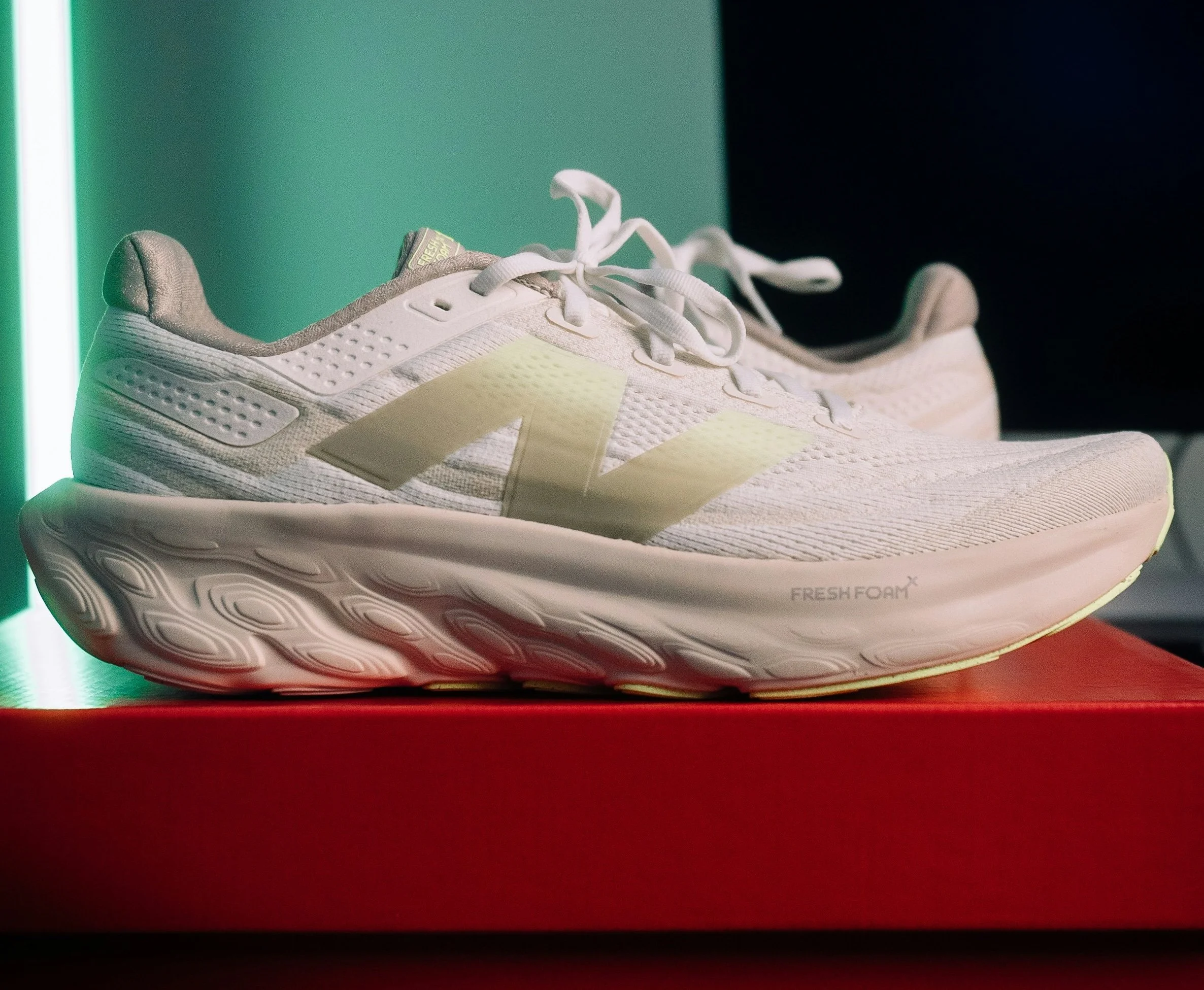
Super Shoes: Why They Work—and When They Might Not
“Super shoes” have transformed distance running. With tall stacks of highly responsive foam, stiff plates, and rocker geometry, they promise better performance with less fatigue. But why do they work—and are all super shoes beneficial in the same way?
At Oregon Running Clinic, we believe understanding the mechanisms matters just as much as the results.
The Performance Advantage: Running Economy
Research consistently shows that super shoes improve running economy, meaning runners use less energy to maintain a given pace.
Studies of recreational runners demonstrate up to a 4% improvement in running economy, translating to faster race times or the ability to run longer with the same effort. One study found oxygen consumption was:
3.9% lower at 65% of VO₂peak
5.0% lower at 80% of vVO₂peak
when running in super shoes compared to traditional trainers.
What Actually Makes a Shoe “Super”?
The deck you shared highlights an important point: super shoes are not defined by a single feature. Their benefits come from a combination of design elements:
Key Contributors to Performance
Stack height (taller midsoles)
Foam compliance (how soft the foam is)
Foam resilience (energy return)
Bending stiffness (often from carbon or composite plates)
Rocker geometry and width
Rather than acting independently, these features work together to influence energy cost, biomechanics, and perception.
Bringing the Research to the Clinic

At Oregon Running Clinic, we don’t just read the research—we engage with it directly.
Dr. Jen Davis attended the professional conference where this advanced footwear research was presented, including work examining how stack height, foam compliance, resilience, and stiffness influence running economy and biomechanics.
Being present for these discussions allows our clinicians to critically evaluate new footwear trends beyond marketing claims and apply the findings to real runners with real injury histories. This connection between research and clinical practice helps us guide runners toward smarter shoe choices that support both performance and long-term tissue health.
Foam Resilience vs. Foam Firmness: A Critical Distinction
One of the most interesting findings from the deck is that more energy return does not always equal better running economy.
When researchers compared:
A highly resilient PEBA foam
Less resilient EVA/PEBA blends
They found that a ~10% reduction in foam resilience produced no significant change in energy cost for most runners.
In contrast, reducing foam compliance (making the shoe firmer) led to a consistent and significant ~1.3% increase in energy cost.
Clinical takeaway:
Firmness matters more than resilience alone.
This helps explain why some shoes feel “bouncy” but don’t actually improve efficiency—and why overly firm shoes may increase metabolic cost despite feeling fast.
Stack Height: Not One-Size-Fits-All
Another key finding: shorter stack height did not significantly change energy cost, but it did change biomechanics.
Shoes with reduced stack height showed:
Slight increases in ankle range of motion
Greater propulsion
Faster terminal swing
More “grounded” stride patterns
This suggests stack height influences how you run more than how much energy you use.
Clinical takeaway:
The “best” stack height depends on use case—racing, long runs, workouts—not a universal ideal.
Biomechanical Changes: Efficiency Comes With Tradeoffs
Super shoes alter mechanics in subtle but important ways:
Increased leg and vertical stiffness
Reduced vertical impact peaks
Changes in ankle loading and stiffness
Altered stride length and propulsion timing
While these changes often improve efficiency, they also shift load away from some tissues and toward others.
Over time, this may:
Reduce calf–Achilles loading
Decrease tendon stimulus
Mask strength deficits
This doesn’t make super shoes dangerous—but it does mean they shouldn’t replace foundational strength and conventional training shoes.
Perception vs. Reality: What Runners Feel Isn’t Always What Matters
Interestingly, the research shows that runners cannot reliably perceive changes in foam resilience, even when measurable differences exist.
Perception findings:
Runners rated some shoes as more enjoyable or comfortable
Attributes like “responsiveness” and “bounciness” didn’t always match metabolic outcomes
Most runners preferred super shoes overall—but preference didn’t always align with efficiency
Clinical takeaway:
Comfort and enjoyment matter—but they’re not perfect indicators of injury risk or metabolic benefit.
Recovery Benefits: Less Damage, Less Fatigue
Beyond performance, super shoes may reduce muscle damage and inflammation.
A Nike study found runners wearing the Vaporfly had:
15% lower lactate dehydrogenase
43% lower interleukin-6
22% less perceived fatigue
This may allow runners to tolerate higher training volumes or intensities, particularly during race preparation.
Smart Use: How We Recommend Runners Use Super Shoes
At Oregon Running Clinic, we recommend strategic use, not daily dependence.
Best practices:
Use super shoes for races and key workouts
Rotate with traditional trainers
Maintain calf, foot, and hip strength
Don’t avoid firm shoes entirely—they may still be valuable for training
Pay attention to gradual transitions and early warning signs
Bottom Line
Super shoes work—but not for the reasons many runners think.
Their benefits come from:
Optimized geometry
Appropriate foam compliance
Controlled stiffness
Individual response
They can improve performance and reduce fatigue, but they don’t eliminate the need for strong tissues and smart training.
If you’re unsure how super shoes fit into your running—or if you’re dealing with recurring injuries—our team can help you make evidence-based decisions. Contact us today!