
Should You Run with a Weighted Vest? Benefits, Risks, and How to Do It Safely
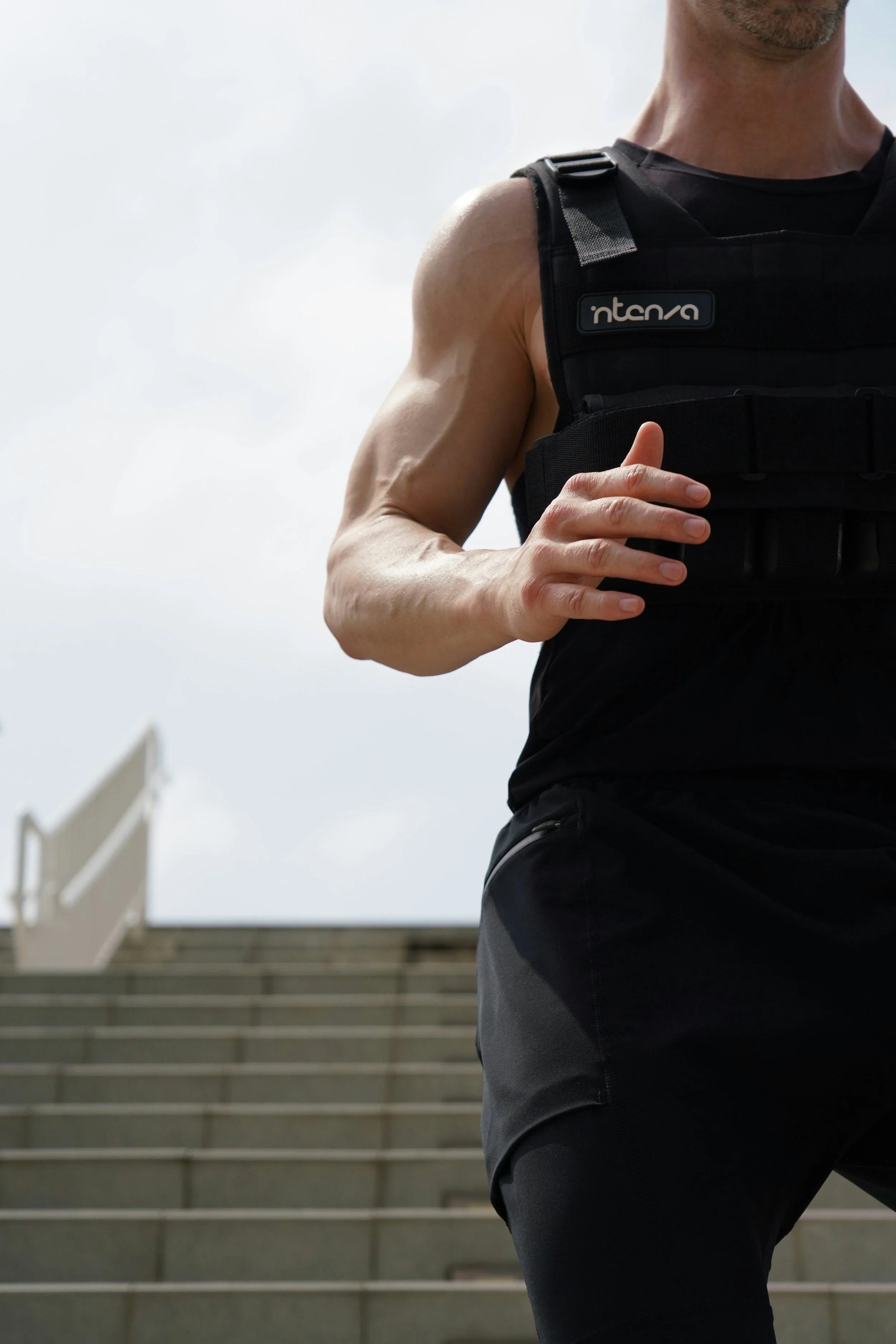
Running with a weighted vest offers multiple potential benefits, enhancing both physical performance and overall fitness. When used strategically, it can be a powerful training tool—but it’s not right for everyone, and proper progression matters.
Improved Strength and Endurance
The added resistance forces your core, legs, and stabilizing muscles to work harder. Over time, this can increase muscular strength and endurance, making hills and challenging terrain feel more manageable. Many runners use vests during walking intervals, hill hikes, or short aerobic efforts to build durability without excessive mileage.
Enhanced Cardiovascular Fitness
The extra load increases heart rate and oxygen demand, which can improve cardiovascular efficiency and VO₂ max when programmed appropriately. This may translate to better stamina and reduced fatigue during unweighted runs.
Potential Improvements in Speed and Running Economy
Training under load conditions your muscles to generate more force. When the vest is removed, some runners report feeling lighter and more powerful. However, these gains depend heavily on maintaining sound mechanics and not overloading the system too quickly.
Posture and Core Activation
A properly fitted vest can encourage core engagement and upright posture. That said, if the load is too heavy, runners may compensate with altered stride mechanics, which can increase injury risk. Form should always come first.
Bone Health and Mechanical Loading
Load-bearing activity stimulates bone mineral density, particularly in the hips and legs. For runners concerned about bone health, carefully prescribed weighted walking or cross-training may be beneficial as part of a comprehensive plan.
Higher Calorie Expenditure
Adding load increases intensity. Some research suggests calorie burn can rise significantly—as much as 14% more per 10% of body weight added—making it a useful tool for athletes focused on metabolic conditioning.
Mental Resilience and Variety
Challenging workouts build confidence and can help break through training plateaus.
Key Tips for Safe Use
Start with 3–5% of your body weight and progress gradually.
Ensure a snug fit with even weight distribution.
Limit use to 1–2 sessions per week.
Prioritize proper form and avoid high-speed running initially.
Stop if you notice joint, back, or foot pain.
At Oregon Running Clinic, we help runners determine whether a weighted vest fits their goals, injury history, and biomechanics. We assess strength, gait mechanics, bone health considerations, and training load to build a safe progression plan tailored to you.
If you’re considering adding a weighted vest to your routine—or want to improve performance while reducing injury risk—book an appointment with Oregon Running Clinic today. Let’s create a smarter, individualized plan that supports your long-term running success.